Alive Herbals
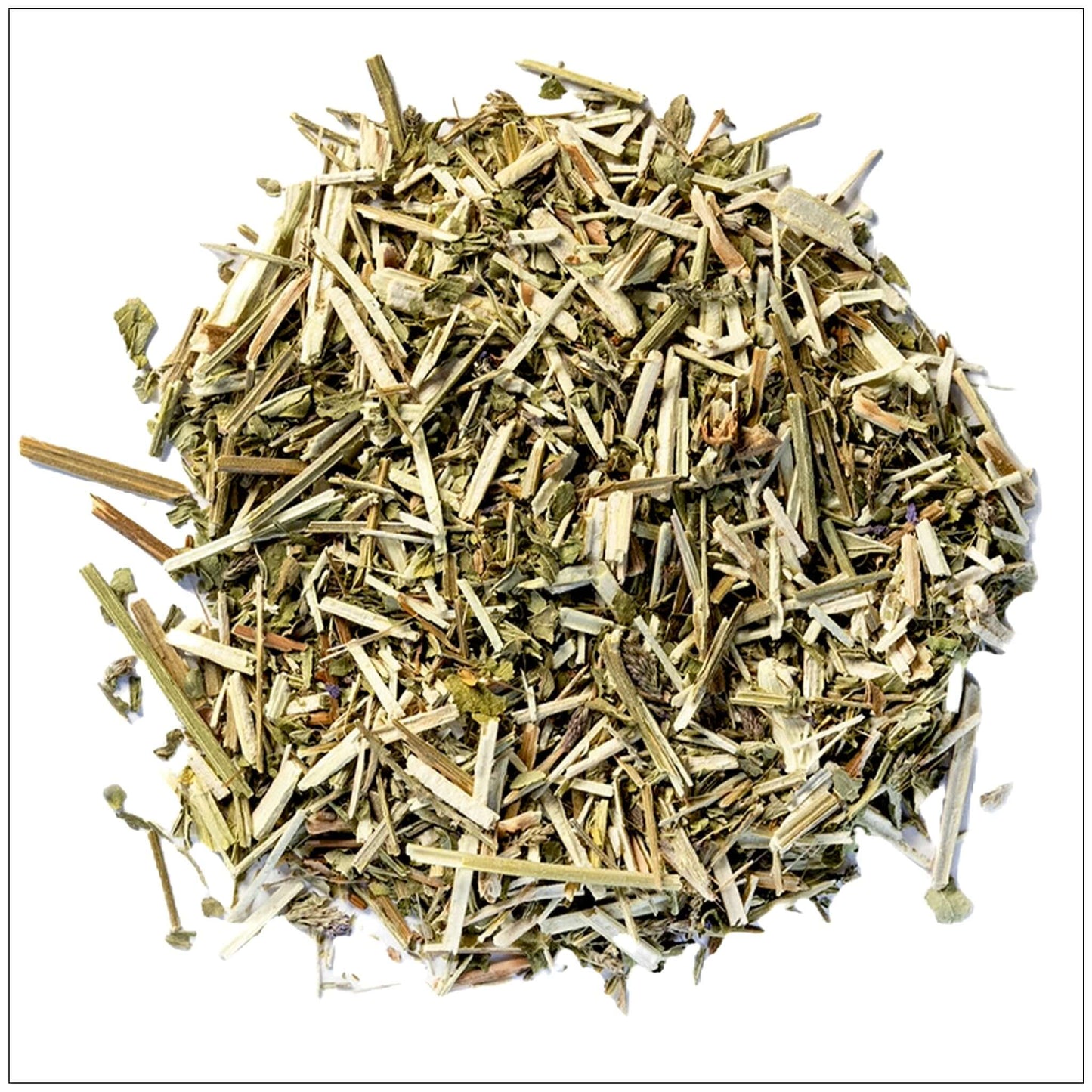
Blue Vervain Herb
Blue Vervain Herb
Couldn't load pickup availability
What is the blue vervain herb?
Blue vervain (Verbena hastata) is known by many names: common verbena, Juno's tears, wild hyssop, enchanter's plant, herb of grace, herb of the cross, pigeon's grass, simpler's joy, swamp verbena, American blue vervain, and many more. It's important to know that American blue vervain (Verbena hastata) is not the same as European vervain (Verbena officinalis) or North American white vervain (Verbena urticifolia). Medicine uses them all, and many of their benefits are similar. However, there are also some differences, and the benefits we'll discuss below are unique to blue vervain.
How do I use blue vervain herb?
There aren't many clinical studies for vervain or its constituent parts, although it has been used for various ailments, such as gout, kidney stones, headaches, jaundice, and stimulation of breastfeeding.
Blue Vervain Herb Benefits:
The roots of the plant can be used to treat sadness, nervousness, coughs, colds, fevers, stomachaches, cramps, rashes, and headaches. Applying the roots to the skin can heal cuts, sores, ulcers, and acne.
◉ Calms nerves and mood swings: Herbalists have used vervain as a nervine, which means it calms the nervous system. Typically, herbalists prepare it as a tea to alleviate stress, anxiety, mood swings, and occasionally sadness. Verbenalin is thought to be the part of blue vervain that makes it beneficial for your health. It helps people relax and fall asleep, which makes worry and frayed nerves go away. Vervain can also make you feel better, and it won't make you sleepy. Vervain has sedative and antianxiety properties that may help with seizures and epilepsy, according to a 2016 study.
◉ Helps improve breast milk production: One of the most common uses of blue vervain is to help nursing moms by making them make more breast milk. A galactagogue is any food, plant, drink, or medicine that makes more breast milk. Women who are having trouble producing enough milk have been using herbal galactagogues as a secure and natural way to increase supply for hundreds of years. Vervain isn't as well-known as galactagogues like fennel seed, blessed thistle, and fenugreek, but it was once used a lot for this reason. Try blue vervain in our herbal Milky Mama mix, which combines it with other helpful herbs that also help breast milk flow and improve it.
◉ Headache and pain relief: Vervain isn't one of the best herbs for relieving pain, but it can help with headaches, menstrual cramps, and swelling. Studies have shown that both putting it on the skin and eating it can help reduce inflammation and pain. (6) (7) Drinking vervain as a tea (maybe with some peppermint to cover its taste) is especially effective for easing the stress and pain that come with headaches and your menstrual cycle. Vervain can also help with bloating and water buildup, which often happen at the same time as cramps. Its cooling benefits will also make you feel better when you have PMS.
◉ Supports Detoxification: The liver and kidneys get extra help from the bitter chemicals in blue vervain. Both of these are important parts of your body's normal way of getting rid of waste. Your liver processes and breaks down poisons so they can be eliminated. These toxins can get out of your body through your kidneys, stomach, and skin. This means that your liver and kidneys must be in excellent shape if you don't want dangerous amounts of toxic chemicals to build up. Vervain is bitter, which improves the liver's work. Other chemicals in the herb protect and improve the liver. It also helps flush toxins out of the body through the urinary system and makes the kidneys work better.
Here is a brief overview of Blue Vervain Herb:
| Product Name | Blue Vervain Herb. |
| Scientific Name | Verbena hastata (L.) is the scientific name for this herb. |
| Country of Origin | Originally native to North America. |
| Ingredient | Blue Vervain Herb. |
| Taste & Aroma | Blue vervain usually tastes bitter, but the sharpness can be taken away by soaking the leaves and seeds in cold water more than once. |
| Shelf Life & Storage | Shelf life is about 06–36 months. The best way to store them is in a cool, dark place with a lid that keeps out air. |
| Precautions | We requested that you, before consuming spices, herbs, teas, or any kind of natural products, consult an expert qualified healthcare practitioner or herbalist. |
| Note | The Food and Drug Administration (FDA) has not reviewed the product information. For educational purposes only. |
Share