Alive Herbals
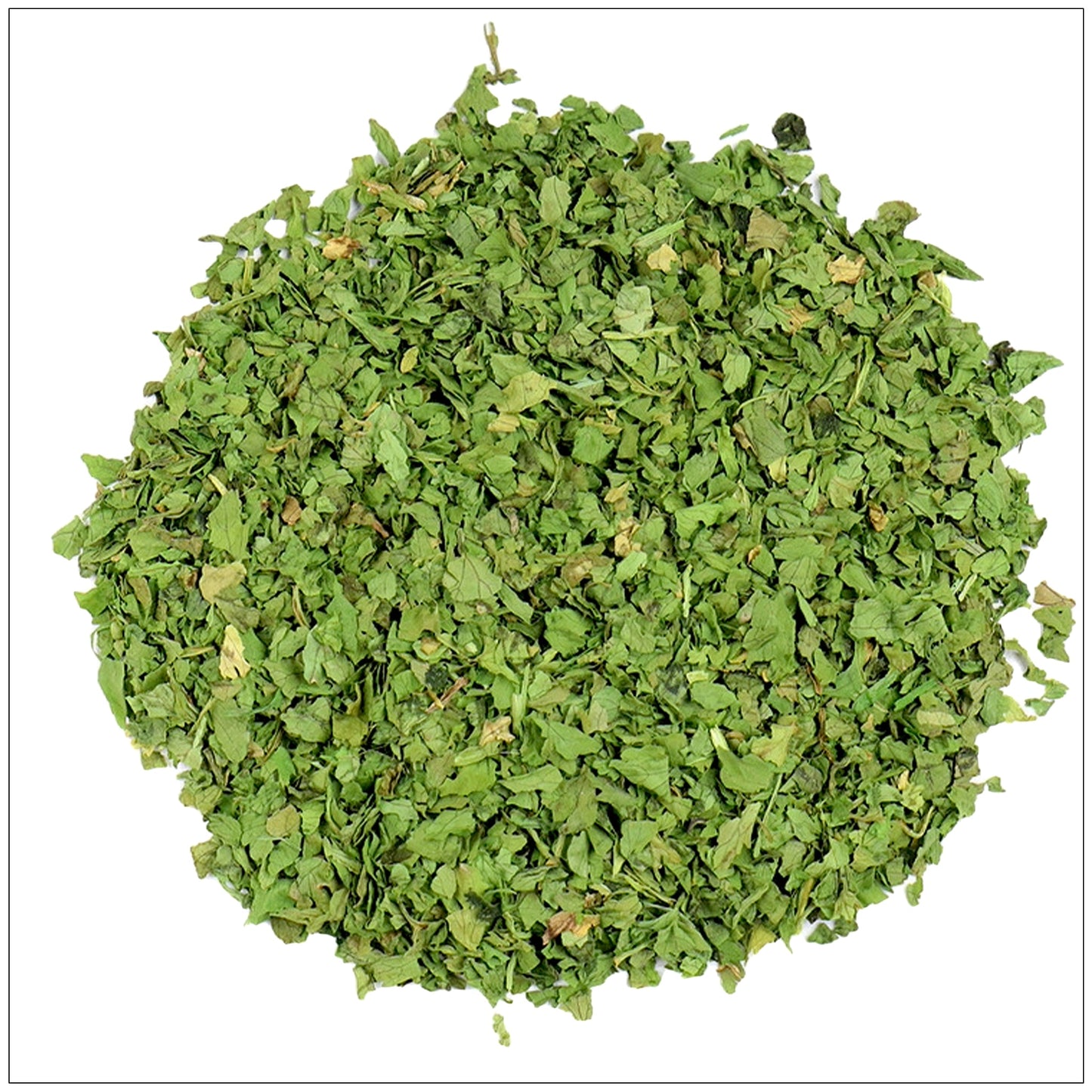
Cilantro Leaf
Cilantro Leaf
Couldn't load pickup availability
What is a cilantro leaf?
The fresh leaves of the coriander plant are used to make the herb cilantro (Coriandrum sativum). This plant is in the same family as parsley, and it's also called Chinese parsley and Mexican parsley. In some places, like the U.K., cilantro is called "fresh coriander leaves." The leaves look a lot like flat-leaf parsley and grow on long, soft stems. Coriander spice, which tastes very different from cilantro, is made from the seeds of the plant. The plant's roots can also be eaten and are used in some foods. Since ancient times, people have grown and used cilantro, and now it is grown commercially in almost every country. India, China, the former Soviet Union, Mexico, South America, Central America, and the Caribbean are the places that grow the most cilantro. The United States doesn't grow enough cilantro to meet its needs, so it imports a lot of this herb.
How do I use cilantro leaves?
Cilantro complements a wide variety of dishes, particularly Thai and Mexican fare. Additionally, it is compatible with preparations that include fish, legumes, cheese, and eggs. It also works well as a garnish or condiment for soups and salads and goes well with buttery vegetable sauces.
Cilantro leaf benefits:
Researchers have found that cilantro may help your health by lowering your risk of heart disease, diabetes, obesity, and severe seizures. It may also give you more energy and keep your hair and skin healthy.
◉ Brain Health: Even though more research needs to be done, several studies have linked eating cilantro to a decrease in the symptoms of diseases like Alzheimer's and Parkinson's. In one study, the administration of cilantro extract to rats resulted in fewer seizures and less damage to their nerve cells. In another study, scientists found that when fresh cilantro leaves were added to the diets of lab mice, their memories got better. Skin health: A 2015 study in the Journal of Medicinal Food looked at how well C. sativum extracts shield the skin from ultraviolet B (UVB) radiation damage. They put human skin cells in a dish and they put skin cells from hairless lab mice in contact with a suspension of C. sativum in alcohol. The results showed that C. sativum might be able to stop or lessen sun damage to the skin.
◉ Reduced Anxiety: Animal studies have shown that extracts from the cilantro plant are almost as effective at reducing anxiety as medicine. Research on human subjects is still necessary.
◉ Rids the Body of Heavy Metals: We can store arsenic, cadmium, aluminum, lead, and mercury in our bodies. These heavy metals can cause heart disease, hormonal imbalances, neurological problems, infertility, and many other health issues. The scientific name for cilantro is "Coriandrum sativum." It binds these toxic metals, freeing them from tissue and making it easier for the body to eliminate them. In an animal model, Coriandrum sativum was found to significantly reduce the oxidative stress caused by lead. It accelerated the body's elimination of heavy metals, according to another study. In this study, the herb was used to help remove rid of heavy metal deposits that wouldn't go away, even after the initial symptoms of an infection had gone away.
Cilantro leaf information (at a glance):
| Product Name | Cilantro Leaf. |
| Scientific Name | Coriandrum sativum. |
| Country of Origin |
It is native to the Mediterranean. |
| Ingredient |
Cilantro Leaf. |
| Taste & Aroma |
Fresh cilantro: warm, spicy flavor, has a citrusy or soapy or stink-bug scent. |
| Shelf Life & Storage |
Shelf life is about 06-24 months. Store it in an airtight container in a cool, dry place and prevent sunlight exposure. |
| Precautions |
We requested that, before consuming spices, herbs, teas, or any kind of natural products, you consult an expert qualified healthcare practitioner or herbalist. |
| Note | The Food and Drug Administration (FDA) has not evaluated this product information. This information is solely intended for educational purposes. |
Share