Alive Herbals
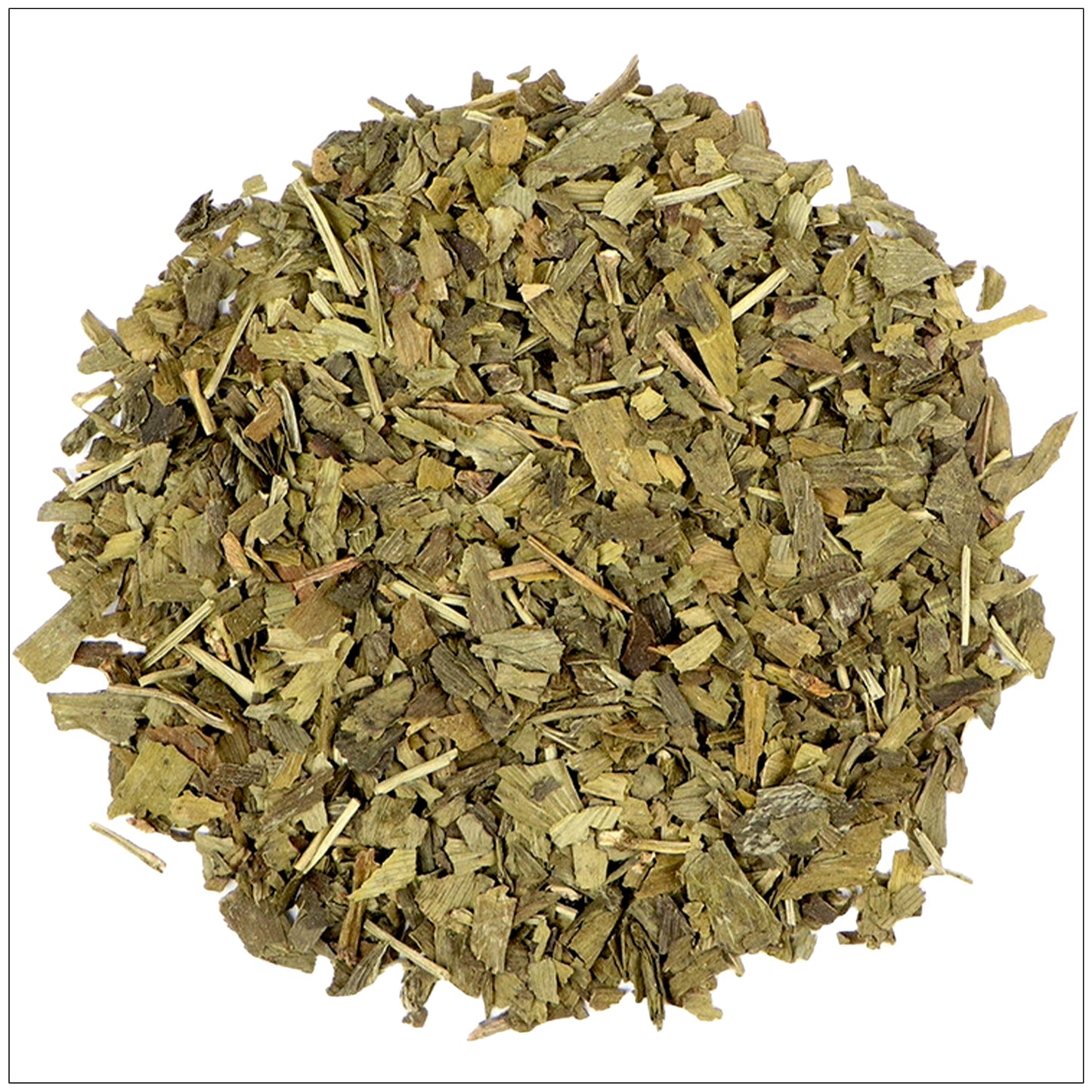
Ginkgo Leaf
Ginkgo Leaf
Couldn't load pickup availability
What is a ginkgo leaf?
The ginkgo tree (Ginkgo biloba), also known as the maidenhair tree, is a deciduous gymnosperm tree from China. Ginkgo has been grown in Chinese and Japanese temple gardens since ancient times. Many parts of the world now value it as an ornamental tree that resists fungus and bugs. It can grow in cold weather, and unlike most gymnosperms, it can also live in the harsh air of cities. Despite its widespread cultivation in gardens, the plant finds itself on the IUCN Red List of Endangered Species and faces threats in the wild. The leaves of a ginkgo tree look like the leaflets of a maidenhair fern. They grow on short, spur-like shoots that are very thick. The leathery leaves can be 3 inches long and wide. From the point where the long leaf stalk meets the blade, two parallel veins go into each blade and branch out toward the leaf edges. Most leaves have a notch in the middle that splits them into two lobes.
How do I use ginkgo leaves?
Common oral formulations of ginkgo include tablets, extracts, capsules, and tea. Consume no roasted or uncooked ginkgo seeds, as they are potentially poisonous. The majority of ginkgo research focuses on its effects on memory, dementia, and pain brought on by inadequate blood flow (claudication).
Ginkgo Leaf Benefits:
Ginkgo has been used in Chinese medicine for a very long time. People used the leaves to treat problems with the brain, the blood, and the lungs. People used to use ginkgo nuts to treat coughs, fevers, diarrhea, toothaches, and even gonorrhea. Today, most people sell it as a supplement to enhance memory or maintain brain health.
◉ Contains Powerful Antioxidants: Ginkgo has many flavonoids and terpenoids, which are strong antioxidants. Antioxidants fight or cancel the damage that free radicals do. Free radicals are highly reactive particles that are made in the body when it does things like turn food into energy or get rid of waste.
◉ Can aid in reducing inflammation: swelling is the body's natural response to injury or outside intrusion. During the inflammatory response, different parts of the immune system work together to fight off the invader or heal the injured area. Many different health issues can cause inflammation, which ginkgo can reduce. This may be one reason why it has so many uses in health care.
◉ Improves Circulation and Heart Health: Traditional Chinese medicine employed ginkgo seeds to open energy "channels" to the kidneys, liver, brain, and lungs. Many of Ginkgo's stated benefits may come from its ability to enhance blood flow. Ginkgo promotes blood channel dilatation, increasing blood flow. This method could help treat circulatory disorders.
◉ Improves Brain Function and Well-Being: Some people think that ginkgo may help healthy people's brains work better. A few small studies support the idea that taking ginkgo supplements may improve mental performance and how well you feel. Some research indicates that ginkgo may help healthy people think better, but the results are mixed.
Ginkgo Leaf information (at a glance):
| Product Name | Ginkgo Leaf. |
| Scientific Name | Ginkgo biloba. |
| Country of Origin |
It is native to China. |
| Ingredient |
Ginkgo Leaf. |
| Taste and Aroma |
It can taste sweet or a little bit bitter, with an undertone that is eerily similar to the smell of cheese. |
| Shelf Life and Storage |
Shelf life is about 6-24 months. Store it in an airtight container in a cool, dry place and prevent sunlight exposure. |
| Precautions |
We requested that you, before consuming spices, herbs, teas, or any kind of natural products, consult an expert qualified healthcare practitioner or herbalist. |
| Note | The Food and Drug Administration (FDA) has not reviewed the product information. For educational purposes only. |
Share