Alive Herbals
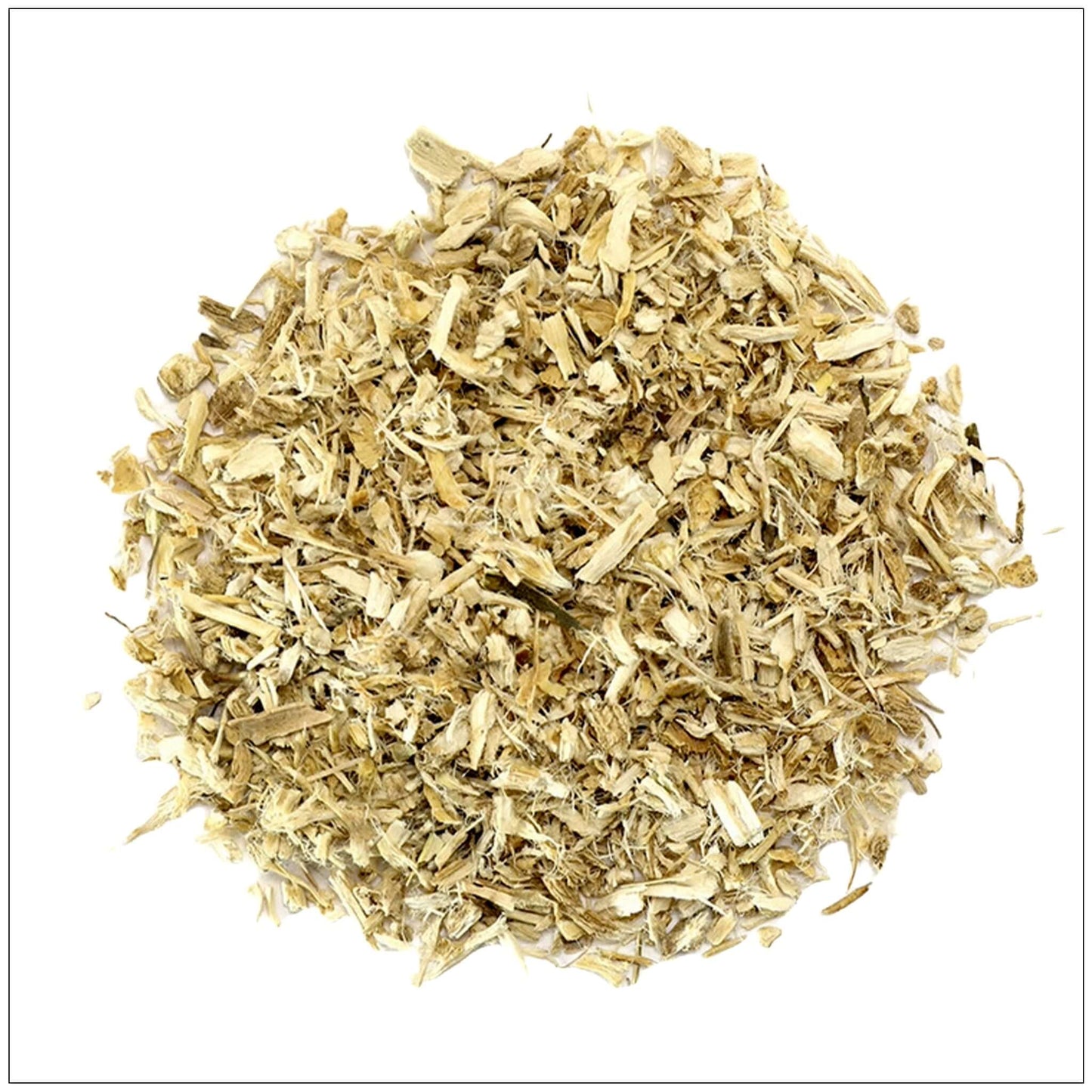
Marshmallow Root
Marshmallow Root
Couldn't load pickup availability
What is marshmallow root?
People have used marshmallow (Althea officinalis) as food and medicine for nearly 2,000 years. The culprit is the plant, not the fluffy white confection toasted over a campfire. Syrians, Egyptians, Chinese, and Romans all utilized marshmallows as food. The Arabs used the leaves of the marshmallow plant to make poultices, which they applied to the skin to relieve irritation. A gooey material known as mucilage is present in both the root and the leaves. When combined with water, it forms a slippery gel that soothes inflammation in the stomach and throat. Applying it topically helps relieve chapped skin as well.
How do I use marshmallow root?
Grown-up. You may get marshmallow root as a tea, tincture, or supplement. Sip many glasses of tea every day, sip one glass of water with 30 to 40 drops of tincture every day, or take capsules that contain split dosages of 6 g of powdered root every day
Marshmallow root benefits:
The herb marshmallow root is native to Europe, Western Asia, and Northern Africa. It is usually a perennial plant that grows everywhere. The botanical classification and Latin name for marshmallow root is Althaea officinalis L. (A. officinalis), which belongs to the Malvaceae family. Generations of people have utilized it as a natural remedy. The most researched uses of marshmallow root include wound healing, skin health, and the treatment of digestive and respiratory system ailments.
◉ Treating Digestive Ulcers: Marmalade root has protective properties against the development of gastrointestinal ulcers (mouth, pharynx, and stomach), according to a 2019 in vitro and in vivo (animal) study. Researchers identified vitamins and antioxidants, which inhibit cellular damage, and plant compounds such as tannins, which support a healthy mucosal membrane in the digestive tract, as the substances responsible for marshmallow root's beneficial effects on digestive issues.
It is possible to use marshmallow root to treat wounds. It has the potential to lessen skin irritation and inflammation that may result from eczema, contact dermatitis, or incisions.
Marshmallow root has immune-boosting and antibacterial properties, according to a 2023 review of therapeutic botanicals for wound healing. These properties enable the root to eliminate gram-positive bacteria, which are distinguished by the color they acquire upon staining in the laboratory, and to accelerate the healing process.
◉ Aiding in Metabolism: Marshmallow root has hormonal effects. In a 2014 animal study, marshmallow root extract was found to have an effect on thyroid-stimulating hormone (TSH) and potentially assist the metabolism, which converts food and drink into energy.
◉ Treating Cough and Sore Throat: The root of the marshmallow is utilized in herbal remedies to alleviate throat discomfort and coughing. Researchers say that the medicine from marshmallow root quickly calms and protects the irritated lining of the nose, throat, and lungs, which helps reduce coughing by forming a protective layer full of antioxidants. By safeguarding the respiratory tract, this film enables expedited symptom alleviation and recovery.
Marshmallow root information (at a glance):
| Product Name | Marshmallow Root. |
| Scientific Name | Althaea officinalis. |
| Country of Origin | It is native to the USA. |
| Ingredient | Marshmallow Root. |
| Taste & Aroma | The scent is neutral, slightly woody, and floral. |
| Shelf Life & Storage | Shelf life is about 06 - 36 months. Store it in an airtight container in a cool, dry place and prevent sunlight exposure. |
| Precautions | We requested that you, before consuming spices, herbs, teas, or any kind of natural products, consult an expert qualified healthcare practitioner or herbalist. |
| Note | This product information has not been appraised by the Food and Drug Administration (FDA). For educational purposes only. |
Share