Alive Herbals
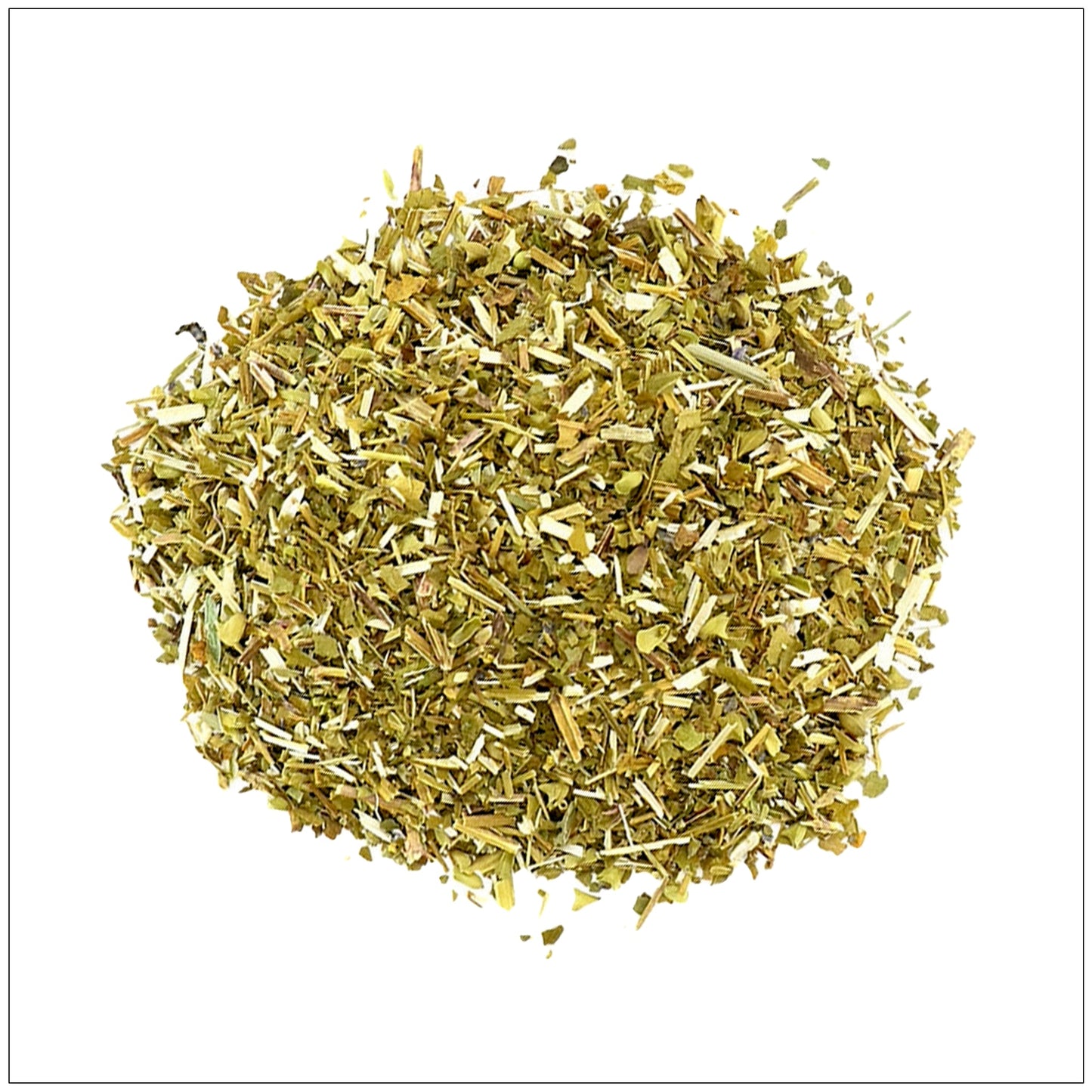
Skullcap Herb
Skullcap Herb
Couldn't load pickup availability
What is skullcap herb?
The term "skullcap" refers to two plants: the Chinese skullcap (Scutellaria baicalensis) and the American skullcap (Scutellaria lateriflora). The two types of skullcaps have distinct purposes and should not be worn interchangeably.
Although American skullcap originated in North America, it is now commonly grown in Europe and other parts of the globe. People have used it as a moderate relaxant and a treatment for convulsions, anxiety, and nervous tension for almost 200 years. According to studies, American skullcap contains strong antioxidant properties and may provide protection against neurological conditions, including depression, anxiety, and Parkinson's and Alzheimer's diseases.
In fact, there is research suggesting that the American skullcap may prevent allergic reactions to some foods. These days, valerian and other herbs are more often utilized; nonetheless, in certain combinations, American skullcap may be blended with other relaxing herbs.
How do I use skullcap herb?
Skullcap dosages typically range from 1 to 2 grams daily, taken in split doses. However, the type and form of this herb can influence the dosage, so it's advisable to consult specific supplements for further information.
Skullcap teas are also sold in health food shops and online; however, as tea is usually less concentrated than supplements, they may not have the same benefits as supplements. Skullcap teas are sometimes combined with other herbs, such as lemon balm.
Skullcap Herb Benefits:
In the past, skullcap was used to treat nerve illnesses such as chorea, epilepsy, nervous tension, and hysteria. These days, its main usage is as a sedative and sleeping aid, sometimes combined with other herbs like valerian.
◉ Reduces Inflammation: The anti-inflammatory activities of Chinese scutellaria are very potent. A common home treatment for those with inflammatory bowel disorders and arthritis is skullcap. The Journal of Alternative and Complementary Medicine published 2007 research evaluating the ability of certain herbs to protect neural cells. Researchers discovered that extracts from ginger and turmeric were the most protective, followed by ginkgo biloba, Chinese cinnamon, Korean rhubarb, skullcap, and Chinese cinnamon.
The researchers came to the conclusion that these particular herbs could be valuable sources for finding natural medication options that prevent Alzheimer's from developing.
◉ Reduces Risk of Heart Disease: Baicalein (found in skullcap roots) may aid in safeguarding heart health, according to recent research that looked at the plant's cardioprotective properties. Isoproterenol (ISO) injections caused an acute myocardial infarction in the subjects. Pretreating with baicalein significantly enhanced the effects of the ISO, and the results showed increased levels of enzymes that help prevent damage.
The study's overall findings demonstrated the cardioprotective properties of baicalein, providing proof that medication beforehand may be able to stop certain heart disease problems, including myocardial infarction.
◉ May Treat Epilepsy and Reduce Muscle Spasms: Studies indicate that Ayurvedic methods and remedies, including herbal remedies like skullcap, might be beneficial in the management of epilepsy. More specifically, there have been reports of using the Ayurvedic herbal concoction known as skullcap Ramayana to treat epilepsy.
Additionally, they mixed eighteen medicinal Ayurvedic herbs with a foundation of honey and herbal ghee. Reports say that this mix of herbs helped reduce the negative effects that people with epilepsy faced, such as shaking, muscle spasms, nerve issues, and headaches.
According to Canadian research conducted on animals, skullcaps may lessen the likelihood and frequency of seizures. After being given an epilepsy diagnosis, male rats that received skullcap for a while did not have seizures, in contrast to those who did not get the herb. Surprisingly, the medication stopped causing seizures.
◉ Lowers Fever Caused by the Flu: Skullcap may help lower fever, according to a 2014 Korean Food Research Institute study. Researchers used the herb to test individuals who were allergic to certain foods. The group that received the skullcap recorded a decrease in body temperature.
Skullcap may serve as a treatment for certain severe feverish illnesses, according to research. When used with other therapeutic plants, including raw rhubarb and fried bitter apricot seeds, it has been shown to aid in lowering fever, cough, and dyspnea while lowering anxiety, agitation, and heart palpitations.
Skullcap Herb Information (at a Glance):
| Product Name | Skullcap Herb |
| Scientific Name | Scutellaria lateriflora |
| Country of Origin | It is native to North America |
| Ingredient | Skullcap Herb. |
| Taste & Aroma | Aroma: Leafy with a grass-like aroma. Taste: bitter aftertaste. |
| Shelf life and storage | Shelf life is about 06-36 months. Store it in an airtight container in a cool, dry place and prevent sunlight exposure. |
| Precautions | We requested that you, before consuming spices, herbs, teas, or any kind of natural products, consult an expert qualified healthcare practitioner or herbalist. |
| Note | This product information has not been appraised by the Food and Drug Administration (FDA). This information is solely intended for educational purposes. |
Share